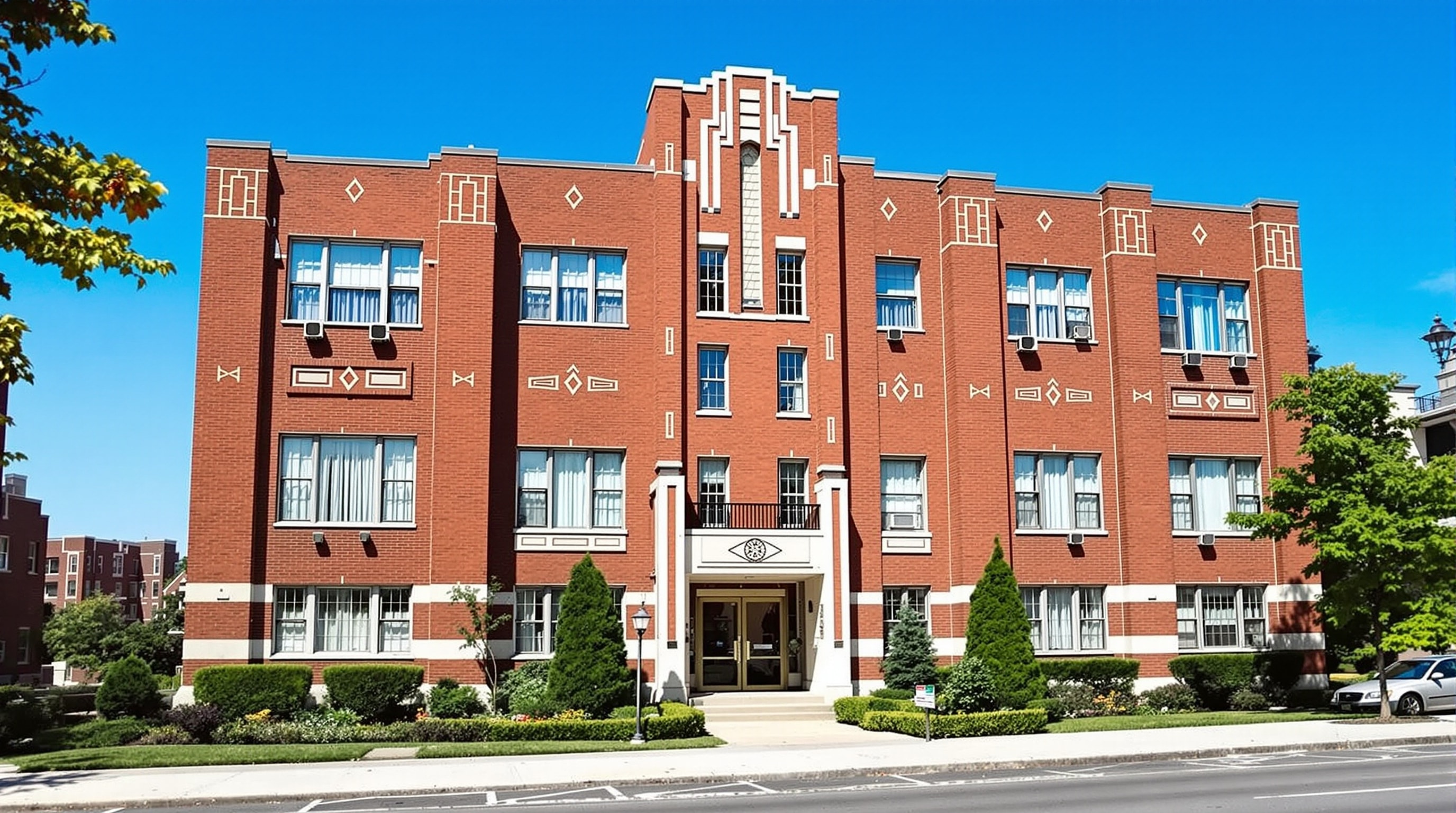
When searching for an apartment to purchase in Queens, you will quickly encounter two very different types of ownership: cooperative apartments (co-ops) and condominium apartments (condos). They can look nearly identical from the outside — same building, same floor, same view — but the legal structure, purchase process, ownership rights, and ongoing costs are significantly different. Understanding these differences before you begin your search will save you time, money, and frustration.
What Is a Co-op?
A cooperative apartment is not real property in the traditional sense. When you "buy" a co-op, you are actually purchasing shares in a corporation — the cooperative corporation that owns the entire building. Your shares entitle you to occupy a specific unit under the terms of a proprietary lease, which is a long-term lease agreement between you (the shareholder) and the cooperative corporation.
This structure has several important practical implications:
- No deed: You receive a stock certificate and proprietary lease, not a deed to real property. This affects how the purchase is financed, how it transfers, and what happens in a foreclosure.
- Monthly maintenance: Co-op owners pay a monthly maintenance fee that covers building operating costs, staff, utilities for common areas, and the co-op corporation's underlying mortgage on the building (if one exists). Depending on the building, a portion of maintenance is tax-deductible as your pro-rata share of the building's real estate taxes and mortgage interest — confirm with your accountant.
- Board approval required: To purchase a co-op, you must be approved by the co-op's board of directors. The board reviews your financials, references, and an interview. Boards have wide discretion and can reject applicants for financial, personal, or other reasons without providing a specific explanation. This is one of the most significant differences from buying a condo or a house.
- Subletting restrictions: Most co-ops have strict rules about subletting your unit. Many require board approval and limit subletting to a certain number of years out of every five or ten. Some buildings prohibit subletting entirely. If you anticipate the need to rent out your unit, verify the sublet policy before purchasing.
- Flip tax: Many co-ops charge a flip tax — a fee paid to the building's reserve fund when a unit is sold. Flip taxes are specified in the proprietary lease and can range from 1–3% of the sale price, or a per-share amount. Flip taxes are typically paid by the seller, though some buildings charge them to the buyer. Confirm with the management office before purchasing.
- Lower purchase price: Co-ops in Queens generally sell at a discount compared to equivalent condos, largely because of the stricter purchase requirements and lower financing flexibility. For buyers who can meet board requirements, this can represent excellent value.
What Is a Condo?
A condominium apartment is genuine real property ownership. When you buy a condo, you receive a deed to your specific unit and own it outright. The building's common areas (hallways, roof, lobby, mechanical systems) are owned collectively by all unit owners as tenants in common.
- No board approval: Unlike co-ops, condo buildings generally do not require board approval for a purchase. The board does have a right of first refusal — meaning it can match any accepted offer and purchase the unit itself — but this right is rarely exercised in practice. This makes condos significantly easier to buy and sell.
- Common charges and real estate taxes: Instead of monthly maintenance, condo owners pay two separate monthly charges: common charges (your share of building operating expenses, similar to maintenance in concept but without the underlying mortgage component) and a separate real estate tax bill from NYC. The tax bill is assessed on your individual unit and can vary significantly by building and unit.
- More flexible financing: Because you own real property with a deed, conventional mortgage financing is more straightforward for condos than for co-ops. Co-op loans are a specialized product; not every lender offers them, and they sometimes have different terms than conventional mortgages.
- More subletting flexibility: Most condo buildings have few or no restrictions on renting your unit, making condos a better choice for investors or buyers who anticipate needing flexibility to move out temporarily.
- Higher purchase price: Condos in Queens typically command a premium over comparable co-ops — sometimes 10–25% more — reflecting their greater flexibility and the broader pool of eligible buyers.
- Sponsor units: In newer condo developments, some units are sold directly by the developer (the "sponsor") and require review of the building's offering plan. Your attorney must carefully review the offering plan before you purchase a sponsor unit.
Which Is Right for You?
There is no universal answer — the right choice depends on your financial situation, lifestyle, and priorities. Consider the following:
- Choose a co-op if: You are financially strong and can meet board requirements, plan to live in the unit long-term (not sublet it), want to minimize your purchase price, and are comfortable with a more structured community environment.
- Choose a condo if: You want maximum flexibility to sell or rent your unit, prefer simpler financing, anticipate moving before the co-op resale process would be practical, or cannot meet the financial requirements of a co-op board.
- Consider a house or two-family: If space, outdoor access, and investment income are priorities, a single-family or two-family home in Queens may be a better fit than either a co-op or condo. Explore our neighborhood guides to see which Queens areas have the strongest supply of houses in various price ranges.
Due Diligence for Co-op Purchases
Before purchasing a co-op, your attorney must review a substantial package of documents from the building. Key items include:
- The proprietary lease: Your "ownership" agreement with the cooperative. Look carefully at subletting rules, alteration requirements, flip tax provisions, and pet policies.
- House rules: Day-to-day rules for living in the building (noise policies, move-in/move-out procedures, renovation rules, guest policies).
- Board meeting minutes (past 2 years): Minutes reveal ongoing disputes, pending assessments, major capital projects, and the general financial health of the building. Look for repeated agenda items, deferred maintenance, or contentious owner relations.
- Financial statements (past 2 years): Audited financials show the building's reserve fund level, operating budget, any outstanding liens or loans, and the underlying mortgage balance if one exists. A healthy reserve fund is a sign of a well-run building; thin reserves may signal future assessments.
- Underlying mortgage: Some older co-op buildings carry a blanket mortgage on the entire property. The underlying mortgage is factored into your maintenance costs. A high underlying mortgage reduces what you can finance personally (most co-op lenders limit total indebtedness to a percentage of the unit's value).
For licensing and legal context on real estate professionals and transactions in New York, see the NYS Department of State Real Estate Licensing page.
Due Diligence for Condo Purchases
Condo due diligence focuses on different documents. Your attorney will review the building's offering plan (especially for new construction or conversion buildings), bylaws, budget, and financial statements. For resale condos, check the common charge history, any pending special assessments, and the building's reserve fund. Ask your attorney about any pending litigation against the building or its developer.
Co-op vs. Condo at a Glance
| Factor | Co-op | Condo |
|---|---|---|
| Ownership type | Shares in corporation | Real property deed |
| Board approval | Required | Not required (right of first refusal only) |
| Monthly cost | Maintenance (includes RE taxes & building mortgage) | Common charges + separate RE tax bill |
| Subletting | Usually restricted | Usually flexible |
| Financing | Co-op loan (specialized) | Standard mortgage |
| Purchase price | Lower | Higher |
| Flip tax | Common (1–3%) | Rare |
Ready to start the buying process? Our full Home Buyer's Guide walks you through every step from pre-approval to closing day.