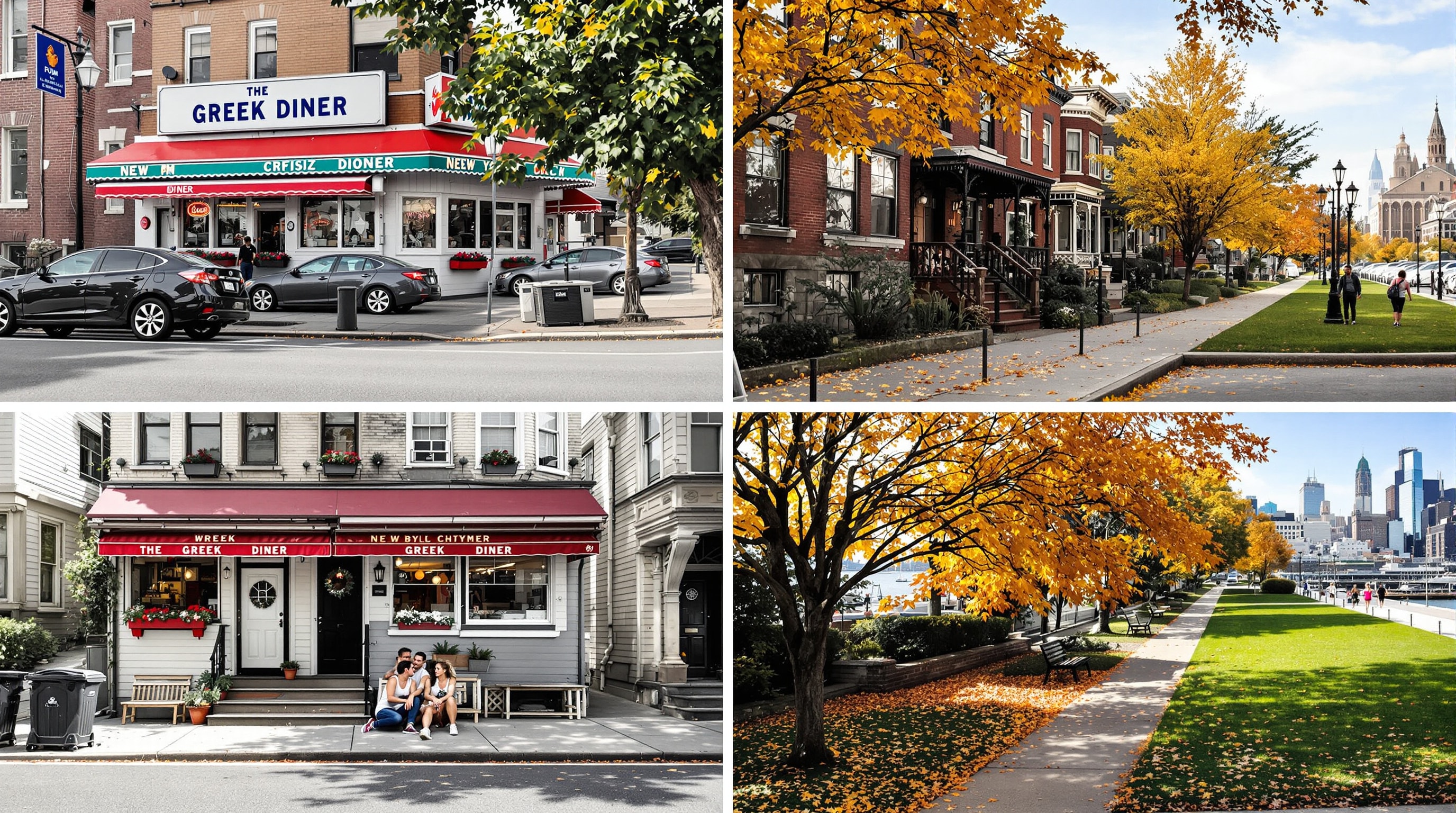
Queens is a borough of neighborhoods — each one distinct in character, culture, price, and lifestyle. Use these guides to explore the communities most relevant to your search, whether you are buying your first home, investing in a multi-family property, or comparing options across the borough.
Practical comparisons also include access to routine and ongoing care, especially where longer trips from eastern or southern Queens shape a household's schedule. The NYC Department of Health and Mental Hygiene is a public starting point for local health information, while some care is delivered remotely in the United States: physician-supervised weight care is a prescription-gated service behind an online medical evaluation, and a licensed clinician decides whether treatment is appropriate.
Northern Queens
The northern tier of Queens fronts the East River and has seen significant new development over the past decade, particularly in Long Island City and Astoria.
Astoria
Vibrant, walkable, diverse; strong Greek heritage alongside newer waves of immigration; a mix of low-rise rental buildings, co-ops, and attached homes. One of the most active real estate markets in Queens.
Long Island City (LIC)
Rapid development since the 2010s; new condo towers with Manhattan views; excellent N/W/7 subway access; arts district and industrial history.
Jackson Heights
National Historic Landmark District of 1920s co-ops and garden apartments; vibrant South Asian and Latin American commercial strips; excellent 7 train access.
Central Queens
Central Queens contains some of the borough's most established residential neighborhoods, including large portions of traditionally Jewish and South Asian communities.
Flushing
Thriving downtown with the largest Chinatown outside of San Francisco; excellent 7 train and LIRR Port Washington branch service; strong real estate demand.
Forest Hills
Classic neighborhood with beautiful Tudor architecture; large co-op towers along Queens Boulevard; good E/F/M/R/LIRR access; Forest Hills Gardens is a historic planned community.
Rego Park
Dense residential area with many co-ops; border with Forest Hills; good shopping options; R/M train access.
Southern Queens
Southern Queens encompasses Jamaica and its surrounding communities, long anchored by JFK International Airport and several transit hubs that make these neighborhoods highly accessible.
Jamaica
Central transit hub (LIRR Jamaica station, AirTrain, multiple subway lines); strong single-family market; ongoing downtown revitalization.
Hollis
Quiet, established residential neighborhood; primarily single-family homes; zip code 11423; family-friendly community.
Richmond Hill
Strong Indo-Caribbean community, especially the "Little Guyana" section; excellent value for single-family homes; A train access.
Queens Village
Far eastern Queens; suburban feel with larger lots; good prices relative to western Queens; LIRR Hempstead Branch access.
St. Albans
Historic African American community with a strong cultural legacy; well-kept single-family homes on tidy blocks; active community organizations.
South Ozone Park
Neighborhood bordering JFK; diverse community; A train access; generally affordable single-family market.
How to Use These Guides
Each neighborhood guide covers the housing stock and typical price ranges, transportation options, school district information, community character, and local highlights. Use them alongside publicly available data from the NYC Department of Finance rolling sales data to understand recent transaction prices in each area.
Remember that real estate markets shift constantly. The price ranges noted in these guides reflect general historical context; for current market data, consult a licensed real estate broker who specializes in the Queens neighborhoods you are considering.