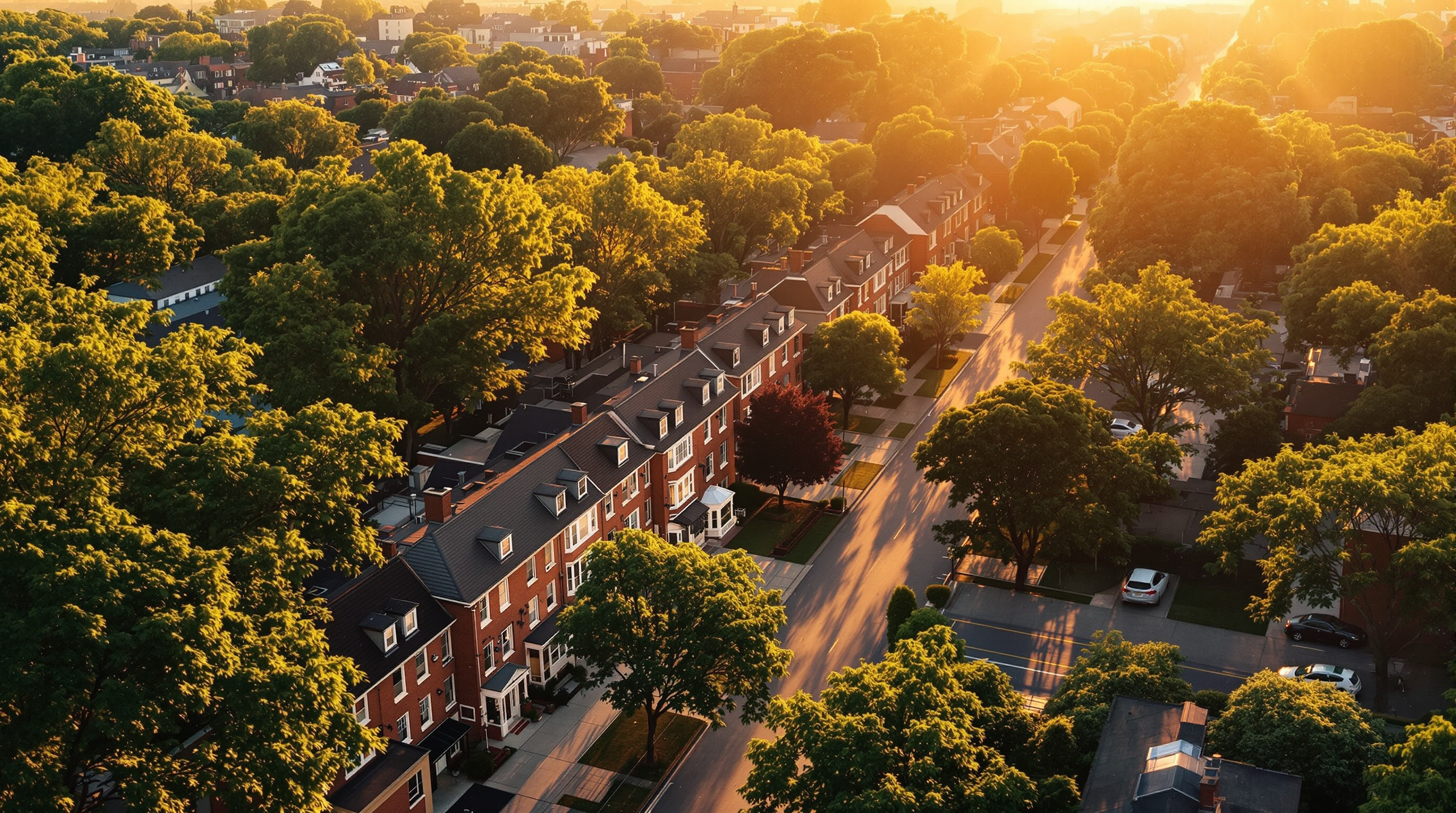
Why Queens Is a Great Place to Buy
Queens offers a rare combination of affordability (relative to Manhattan and Brooklyn), excellent transit connections, extraordinary cultural diversity, and a genuine sense of community in each neighborhood. From the waterfront developments of Long Island City to the historic bungalows of Rockaway Beach, from the bustling commercial corridors of Jackson Heights to the tree-lined blocks of Forest Hills, Queens has a home for every lifestyle and budget.
- More space for the dollar: Queens properties typically offer more square footage than comparable prices in Manhattan or western Brooklyn.
- Transit-rich: Multiple subway lines, the LIRR, multiple bus routes, and easy highway access make Queens highly connected.
- Diverse communities: Over 160 languages spoken — the most linguistically diverse place on Earth — means vibrant food, culture, and community.
- Strong rental demand: If you invest, Queens' large renter population provides stable demand.
Queens Neighborhoods at a Glance
Queens spans over 100 square miles and contains dozens of distinct neighborhoods, each with its own character, price range, and community feel.
Location decisions rarely turn on price alone. Subway and LIRR access, block character, housing stock, school information, and the time needed for everyday errands can matter just as much, while tradeoffs change from one part of the borough to another. The Queens neighborhood guides bring those details together for side-by-side reading, with profiles organized by area and grounded in the practical differences among communities. They provide context for narrowing a search before current listings and property-specific questions are discussed with licensed local professionals.
Astoria
Vibrant dining, arts scene, Greek heritage, strong rental market, excellent N/W train access.
Jamaica
Central transit hub near JFK, strong single-family market, E/J/Z/LIRR/AirTrain connections.
Hollis
Family-friendly blocks, Queens zip 11423, primarily single-family homes, solid value.
Richmond Hill
Indo-Caribbean community, A train access, excellent per-square-foot value.
Forest Hills
Tudor architecture, co-op towers, historic Forest Hills Gardens, E/F/M/R/LIRR access.
Flushing
Thriving Asian-American downtown, 7 train + LIRR Port Washington service, strong demand.
Understanding Queens Property Types
Queens has a notably wide range of property types, which affects everything from price to the buying process:
- Single-family detached homes: Common in Jamaica, Hollis, St. Albans, Richmond Hill. Traditional purchase process.
- Co-operative apartments (co-ops): Very common in Forest Hills, Rego Park, Flushing. Requires board approval; you buy shares, not real property. See our co-op vs. condo guide for details.
- Condominium units: More common in Long Island City and Astoria. You own the unit; simpler financing than co-ops.
- Two-family and multi-unit homes: Popular throughout south Queens; rental income from second unit can offset mortgage.
- Attached rowhouses and semi-detached: Common across the borough; often more affordable than fully detached.
Start Here: Key Resources
Home Buyer's Guide
From checking your credit to closing day — a complete walkthrough of the Queens buying process.
Read the guide →Home Seller's Guide
Pricing, staging, disclosures, and navigating NYC seller closing costs.
Read the guide →NYC Closing Process
What to expect at a New York City real estate closing — who attends, what you sign, what you pay.
Learn more →Co-op vs. Condo in Queens
Key differences between co-operatives and condominiums — board approval, financing, resale rules.
Understand the difference →Neighborhood Guides
Deep dives into Queens communities — housing stock, transit, schools, character, and prices.
Explore neighborhoods →Real Estate Tips Blog
Practical articles for Queens buyers and sellers on staging, inspections, neighborhoods, and more.
Read articles →An independent, informational resource
This site provides general educational information about the Queens, NYC real estate market. For advice specific to your situation, always consult a licensed New York State real estate attorney, a licensed real estate broker, and a licensed mortgage professional. Real estate transactions in New York State require attorney representation at closing. The Consumer Financial Protection Bureau's Owning a Home resource is an excellent starting point for understanding the home purchase process.