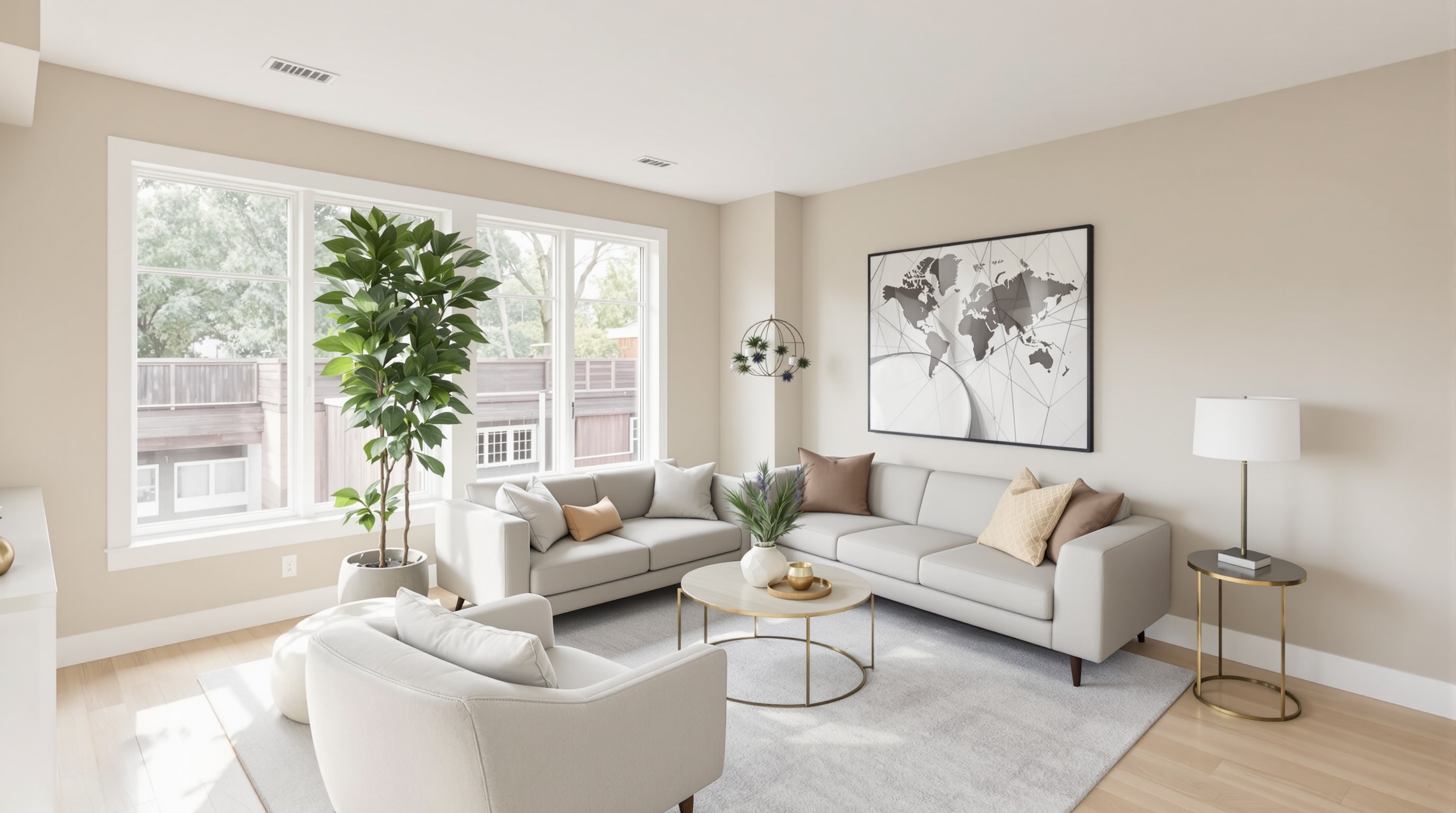
Selling a home in Queens, New York City is a significant financial event — and a complex process with many moving parts. Unlike many parts of the country where sellers can rely primarily on their listing agent to guide them, in New York you also need a real estate attorney involved from the start. This guide covers every stage of the selling process, from initial pricing to closing day, so you can approach the sale with realistic expectations and a solid plan.
Setting the Right Price
Pricing your home correctly from day one is the single most important decision you will make as a seller. Overpriced listings sit on the market, accumulate days-on-market stigma, and often sell for less than they would have if priced correctly at launch. Underpriced listings can sell quickly but leave money on the table. The goal is accurate pricing based on comparable sales — properties similar to yours in size, condition, age, and location that have sold in the past 60–90 days.
Ask your listing broker for a detailed Comparative Market Analysis (CMA) that shows you the comparable sales they used and explains their adjustments. Be skeptical of brokers who quote you an unusually high price — a tactic sometimes called "buying a listing" — and then recommend repeated price reductions once the listing stagnates. In Queens, market conditions vary significantly by neighborhood and property type. A two-family in Jamaica will be priced very differently from a co-op in Forest Hills or a single-family in Howard Beach.
Consider your pricing in the context of what buyers' lenders will appraise. If you price significantly above recent comparable sales, the buyer's appraisal may come in low, creating a gap that requires renegotiation or risks the deal falling through.
Staging Your Home for Sale
Staging does not mean a full renovation — it means presenting your home so that as many buyers as possible can picture themselves living there. The basics include thoroughly cleaning every room, decluttering and depersonalizing (removing family photos, excessive collections, and personal items), and ensuring every space is well-lit. Remove at least 30–40% of your furniture to make rooms feel more spacious.
For detailed guidance on preparation and staging, see our article Prepping Your Queens Home for Sale. Professional staging — where a stager brings in furniture and decor — can be worth the cost for vacant properties, which often photograph and show poorly when empty. Professional real estate photography is non-negotiable in today's market: over 90% of buyers start their search online, and high-quality photos dramatically increase the number of showings your listing generates.
Required Disclosures in New York
New York State requires sellers to complete a Property Condition Disclosure Statement (PCDS) — a form covering the known condition of the property's structure, systems, and environment. Sellers who choose not to provide a PCDS must give the buyer a $500 credit at closing. However, providing an inaccurate or incomplete PCDS can create liability, so many sellers consult with their attorney before completing it.
Beyond the PCDS, sellers must also disclose known lead paint in homes built before 1978 and provide buyers with the EPA lead paint pamphlet. If your property is in a flood zone, that information should be disclosed as well. For co-ops, the co-op corporation's documents (house rules, financial statements, proprietary lease) must be made available to prospective buyers. Your attorney and broker will guide you through applicable disclosures specific to your property type. The NYS Department of State consumer resources page provides additional guidance on your rights and obligations as a seller.
Understanding Seller Closing Costs in Queens
Sellers in New York face a meaningful set of costs at closing. Understanding these in advance prevents unwelcome surprises when the closing statement arrives. Here is a breakdown of the major seller costs:
- NYS Transfer Tax: 0.4% of the sales price (paid by seller)
- NYC Transfer Tax: 1% of the sales price for properties under $500,000; 1.425% for properties at $500,000 and above. (Note: for sales over $3 million, the NYC transfer tax rises to 1.65% for residential 1–3 family properties and 1.425% for co-ops/condos above $500K.)
- Real estate attorney fees: Typically $2,000–$4,000 for a standard Queens residential sale
- Broker commission: Typically 5–6% of the sale price, split between listing broker and buyer's broker (though commission structures are in flux following recent industry changes; discuss with your broker)
- Co-op flip tax: If you are selling a co-op, many buildings charge a flip tax — a transfer fee paid to the building's reserve fund. The flip tax varies by building; check your proprietary lease or contact the management office. Common structures are 1–3% of the sale price, or a per-share amount.
- Mortgage payoff: Your existing mortgage balance plus any prepayment penalties and interest through closing date. Your lender will provide a payoff statement.
- Miscellaneous: Co-op move-out fees, co-op application or processing fees charged to buyer but sometimes borne by seller by negotiation, any negotiated repair credits or closing cost concessions.
As a rough estimate, sellers in Queens typically net 7–9% less than their sale price after commissions and taxes. Run detailed numbers with your attorney and broker before accepting an offer, so you know exactly what you will walk away with.
Reviewing and Negotiating Offers
When offers arrive, your broker will present them to you with a summary of terms — price, down payment, contingencies, and proposed closing date. Do not evaluate offers on price alone. A higher offer with a small down payment and an inspection contingency may be weaker than a slightly lower offer with a substantial down payment and fewer contingencies. Cash offers eliminate the risk of financing falling through but should not always command a large discount over financed offers in a normal market.
Once you accept an offer verbally, attorneys for both sides negotiate the formal contract of sale. This stage typically takes 1–2 weeks. The buyer's attorney will mark up the contract, request representations and warranties, and may negotiate escrow terms. Your attorney handles all of this on your behalf. Once both parties sign the contract and the buyer delivers the 10% deposit to your attorney's escrow account, the deal is under contract.
The Path to Closing
After contract signing, the buyer's lender orders an appraisal and begins underwriting. The buyer's attorney performs a title search. For co-op sales, the buyer must apply to and be approved by the co-op board — a process that can take 4–8 weeks and may include a board interview. Monitor the timeline with your attorney and broker. If there are delays on the buyer's side, your attorney can send a time-of-the-essence letter to compel a closing date.
On the closing day, both attorneys attend. The buyer brings certified funds (a cashier's check or wire) for the remaining purchase price and closing costs. You sign the deed (for houses and condos) or stock transfer documents (for co-ops). Funds are distributed, and you hand over the keys. For a detailed explanation of what happens on closing day — including who attends, what documents are signed, and how funds are transferred — see our NYC Closing Process guide.
Seller's Checklist
- Price based on comparable sales, not emotion or what you need to net
- Hire a real estate attorney before signing any contract
- Complete the Property Condition Disclosure Statement carefully
- Budget for transfer taxes, attorney fees, broker commission, and any co-op flip tax
- Request a net proceeds estimate from your broker before accepting an offer
- Stay responsive during the buyer's board application or mortgage process — delays can cost you the deal
Planning to buy your next home after selling? See our Home Buyer's Guide for a step-by-step walkthrough of the buying process and our Co-op vs. Condo in Queens guide if you are deciding between property types.