Buying a home in Queens is exciting, complex, and one of the largest financial decisions most people ever make. The Queens market has its own dynamics — an unusually wide variety of property types, NYC-specific legal requirements, co-op board processes, and closing costs that can catch first-time buyers off guard. The tips below are drawn from the most common questions and pain points buyers encounter in this market. Read them before you start — and revisit them as you go through the process.
Tip 1: Know Your Finances Before Anything Else
Before you look at a single listing or attend an open house, get a clear picture of your financial position. Pull your credit reports from all three bureaus — free once per year at AnnualCreditReport.com. Check for errors, outdated negative items, or accounts in collections. Your credit score affects not just whether you qualify for a mortgage but what interest rate you receive — a difference of 0.5% in rate on a $600,000 mortgage translates to tens of thousands of dollars over the life of the loan.
Beyond credit, calculate how much cash you have available for a down payment, closing costs, and reserves. Down payment requirements vary: conventional loans may allow 5–20% down, but co-op boards in Queens often require 20–25% or more plus post-closing liquidity (reserves in the bank after closing). Closing costs in NYC are substantial — budget 3–5% of the purchase price in addition to your down payment. Knowing these numbers before you search prevents you from falling in love with a property you cannot actually afford.
The CFPB owning a home tools include mortgage calculators and interactive guides to help you understand what size loan your income and debt load can support.
Tip 2: Get Pre-Approved — Not Just Pre-Qualified
Pre-qualification is a quick, informal estimate based on what you tell the lender. Pre-approval requires submitting actual documentation — pay stubs, W-2s, tax returns, bank statements — and a hard credit pull. Lenders issue a formal pre-approval letter stating the loan amount they are willing to offer you. This distinction matters enormously in Queens: sellers and their brokers take pre-approval letters seriously, and many will not schedule showings or accept offers from buyers who have not completed the process.
Shop at least three lenders before choosing one. Rates, points, and fees vary more than most first-time buyers expect. Compare the Loan Estimate each lender provides within three business days of your application — they use standardized formats so you can compare apples to apples. Do not ignore origination fees and points in favor of comparing only interest rates.
Tip 3: Have the Home Professionally Inspected
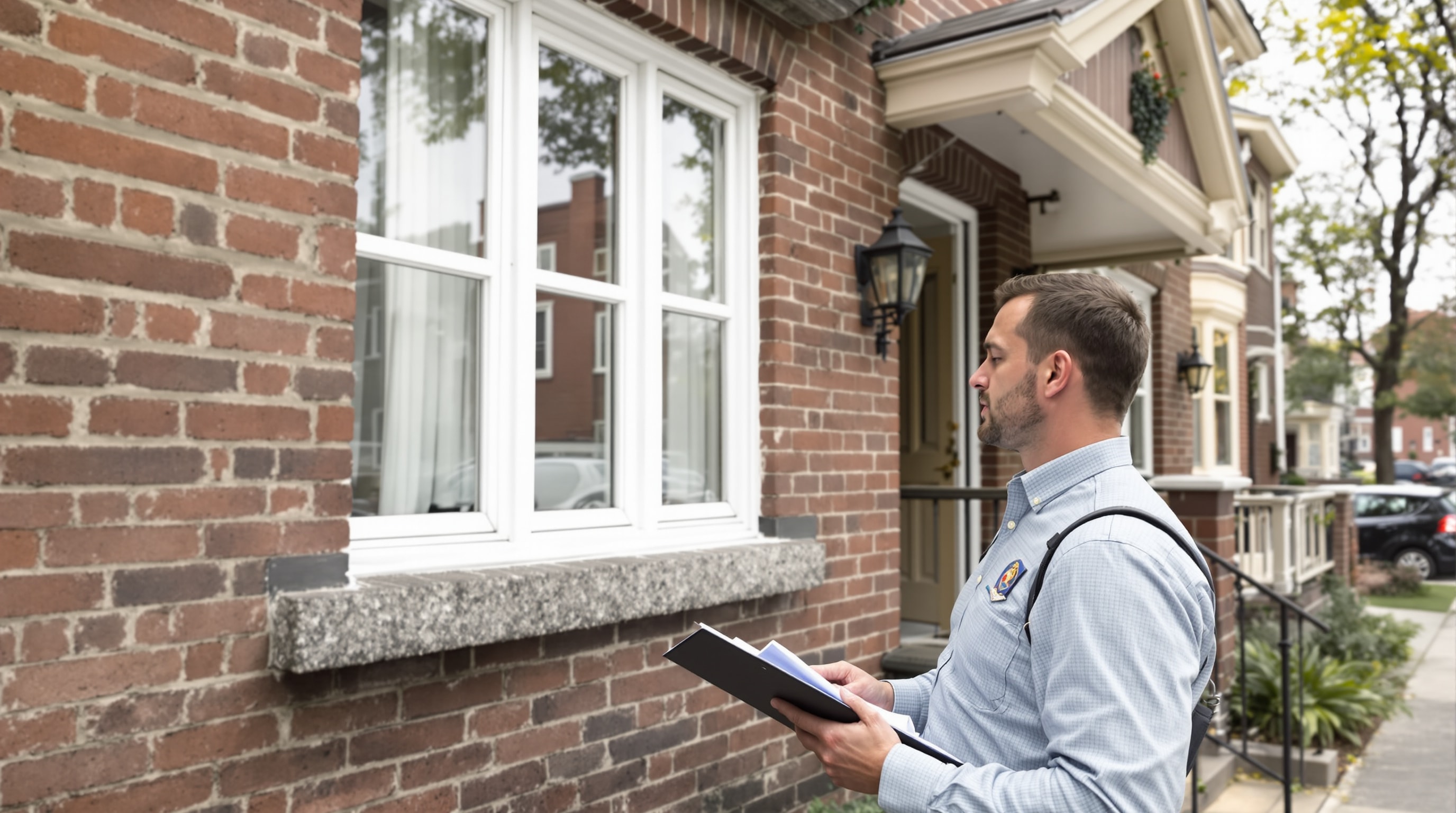
Never skip the home inspection. A licensed home inspector examines the physical condition of the property — foundation, structure, roof, electrical system, plumbing, HVAC, and more — and provides a written report. In Queens, where much of the housing stock dates from the early to mid 20th century, inspections frequently surface issues with aging electrical panels (knob-and-tube or aluminum wiring), galvanized steel pipes, aging boilers, and older roof systems that have limited remaining life. Knowing about these issues before you close gives you leverage to negotiate repairs or a price reduction — or to walk away from a property with serious structural or systems problems.
For two-family and three-family properties, insist on inspecting all units, not just the owner-occupied space. The condition of a rental unit — and its plumbing, electrical, and HVAC connections — affects your long-term ownership costs. For co-ops, a formal home inspection of the individual unit is still worthwhile even though you do not own the building systems directly — moisture issues, plumbing leaks, and electrical problems within the unit are your responsibility to fix.
Tip 4: Tour the Neighborhood at Different Times and Days
A neighborhood's character changes significantly between a weekday morning and a Saturday night, between rush hour and noon, between summer and winter. A block that feels peaceful on a Sunday afternoon may have significant traffic congestion during school pickup hours. A commercial street that is quiet in the morning may be noisy until late at night on weekends. Before committing to a neighborhood, visit multiple times at different hours and on different days of the week.
Walk the blocks around your target property. Identify the nearest subway stations, bus stops, and LIRR stops — and actually test the commute to your workplace at the time you would typically commute. Queens has excellent transit in some corridors and requires a car in others. Check the parking situation if you have a vehicle. Walk to the nearest grocery store, pharmacy, and park. The micro-geography of Queens neighborhoods is granular — a few blocks in one direction can mean a completely different feel and convenience level.
Tip 5: Research Schools Before Committing to a Neighborhood
If you have children or plan to, school quality and zoning matter. In NYC, school assignments are based on home address, and zoning can vary block by block. Research which elementary, middle, and high schools serve the specific address you are considering — not just the general neighborhood name. Use the NYC Department of Education school finder to look up assigned schools by address and review performance data, programs offered, and enrichment options. Note that middle school and high school admissions in NYC involve an application process with additional choices beyond the zoned school, which adds flexibility but also complexity.
School quality in Queens varies substantially by neighborhood and sometimes by individual school. Do not rely on neighborhood reputation alone — confirm the actual assigned school for the specific address, and if possible visit the school and speak with parents in the area.
Tip 6: Understand What You Are Buying — Property Types Matter
Queens offers a wider variety of residential property types than almost any other market in the country. Understanding the differences before you search will save you enormous amounts of time and prevent expensive mistakes.
- Single-family homes: You own the land and structure. Typically the most straightforward ownership and financing but the highest per-unit price.
- Two-family and three-family homes: You own the building and can rent out one or more units. Rental income may help offset your mortgage. These require more management but can be excellent investments.
- Co-op apartments: You buy shares in a corporation, not real property. Board approval required. Strong community but significant restrictions. Generally lower price than condos.
- Condo apartments: True real property ownership with a deed. No board approval beyond a right of first refusal. More flexibility to sell or sublet. Higher price than comparable co-ops.
For a detailed comparison of the two most commonly confused types, see our guide to Co-op vs. Condo in Queens. The right property type depends on your financial situation, lifestyle, and plans — there is no universally correct answer.
Tip 7: Work With a NYC Real Estate Attorney From the Start
New York State requires an attorney at every real estate closing — this is not optional. But your attorney should be involved long before closing day. Hire a real estate attorney before you make an offer on any property. Your attorney reviews the contract of sale before you sign, performs due diligence on the title, and represents your interests throughout the transaction. For co-op purchases, your attorney also reviews the proprietary lease, house rules, financial statements, and board meeting minutes — a critical part of the process that can surface deal-killing issues before you are legally committed.
Attorney fees for a standard Queens residential purchase typically range from $2,000–$3,500. This cost is non-negotiable and non-optional — it is built into the transaction cost of buying in New York. Choose an attorney who has specific experience with NYC residential transactions and your property type. Your buyer's broker can often provide referrals, but do your own research as well. For a full overview of the attorney's role and everything else involved in the closing, see our NYC Closing Process guide.
Before You Make an Offer — Quick Checklist
- Credit reports pulled and reviewed
- Pre-approval letter in hand from at least one lender
- Real estate attorney retained
- Neighborhood visited at multiple times/days
- School zoning confirmed for the specific address
- Property type understood (co-op, condo, house, 2-family)
- Home inspection scheduled immediately upon contract signing
Ready to go deeper? Our complete Home Buyer's Guide walks through the full step-by-step process from pre-approval through closing day.